Dishwasher Repair & Installation in Calgary
Won't drain, won't fill, leaking, or leaving dishes dirty — Yaya diagnoses the actual cause across the pump, inlet valve, seals, and control board, and handles new installation with the water, drain, and electrical circuit all in one visit.
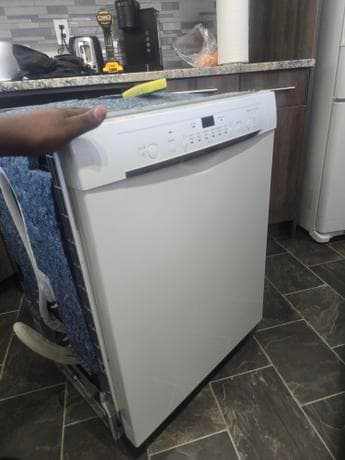
Won't Drain or Won't Fill
A dishwasher that won't drain, leaving standing water at the bottom after a cycle, is most often a clogged drain pump, a blocked or kinked drain hose, or a failing drain valve depending on the model. Food debris is the most common culprit, especially in models without a strong pre-rinse cycle or a proper food disposal grinder built into the pump assembly.
A dishwasher that won't fill, or fills very slowly, is usually the water inlet valve — either clogged with mineral buildup or electrically failed so it's not opening properly when the cycle calls for water. Low household water pressure can occasionally look like the same symptom, which is worth ruling out before replacing the valve.
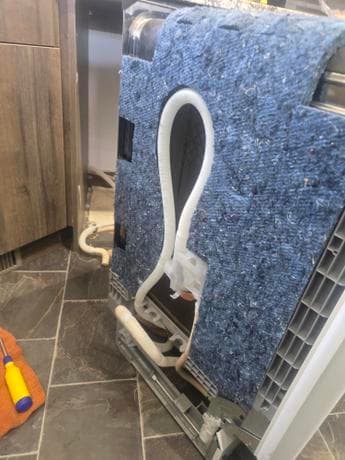
Leaking
Leaks usually come from one of a handful of places: a worn door seal/gasket that's no longer sealing properly, a cracked or loose hose connection, a failed pump seal, or occasionally overfilling caused by the same inlet valve issue that can cause other symptoms. Where the water is actually coming from — pooling in front of the door versus underneath the unit — narrows down the cause quickly.
Dishes Not Coming Out Clean
Dishes coming out dirty, cloudy, or with residue left behind isn't always a mechanical failure — it's sometimes a spray arm that's clogged or not spinning freely, a filter that needs cleaning (many newer dishwashers don't have a garbage disposal-style grinder and rely on the user cleaning a filter periodically), or hard water buildup affecting spray performance. When it is mechanical, it's usually the wash pump not building enough pressure, or a spray arm bearing that's worn out.
Pump, Inlet Valve, Seals, and Control Board
These four components account for the large majority of dishwasher repairs. The wash/drain pump moves water in and out and builds the pressure needed for effective cleaning; the inlet valve controls water entering the unit; door and pump seals prevent leaks; and the control board manages cycle timing and coordinates everything else. A control board fault can sometimes mimic a mechanical failure — the unit not filling or not draining because the board isn't sending the right signal, not because the pump or valve has actually failed — which is why proper diagnosis matters before parts get replaced unnecessarily.
Installation
New dishwasher installation means connecting the water supply, the drain line, and — since a dishwasher needs its own dedicated electrical circuit — the electrical connection as well. Handling all three as one visit is straightforward when the same person is licensed for both the plumbing and electrical side, rather than needing a plumber for the water and drain and a separate electrician for the circuit.
This matters more than it might seem: a dishwasher wired into a shared circuit with other kitchen outlets is a common cause of nuisance breaker trips once it's running alongside a microwave or other appliance drawing power at the same time. A proper installation sizes the circuit correctly for the specific unit rather than tapping into whatever's nearby, which is one of the more common corrections made when replacing an older dishwasher that was never installed to that standard in the first place.
What's Included
- ★ Diagnosis of drain, fill, leaking, and cleaning performance issues
- ★ Pump, inlet valve, and seal repair or replacement
- ★ Control board diagnosis, ruling out simpler causes first
- ★ Full installation: water supply, drain, and dedicated electrical circuit
- ★ All major brands
Permits
Dishwasher repair and standard installation into an existing kitchen setup doesn't require a permit.
Timeline
Most dishwasher repairs are diagnosed and completed same-day. New installation is typically a half-day, including supply, drain, and circuit connection.
How to Prepare
- ★ Note the exact symptom — won't drain, won't fill, leaking, or dirty dishes
- ★ Clear the area under and around the dishwasher for access
- ★ Check and clean the filter if you haven't recently, before the visit
- ★ Note the brand and approximate age
- ★ For new installation, confirm the cabinet opening and existing connections nearby
Related Services
Dishwasher Repair FAQ
Honest answers to common questions Calgary homeowners ask.